Aesthetic dentistry: More than just white teeth
When we think of aesthetic dentistry, the first things that come to mind are white and straight teeth. However, true smile aesthetics go far beyond color or symmetry.
They include awareness of tooth proportions in relation to the overall smile, the influence of teeth on speech and facial expressions, and the way a smile contributes to confidence and first impressions in social and professional situations.
An aesthetic smile is, in fact, a combination of science and art: where the dentist uses knowledge of anatomy and visual proportions to ensure the patient’s smile looks natural and harmonious in all interactions.

Function and aesthetics go together
Teeth are not just decorative, they have an important functional role.
Well-aligned teeth make chewing easier, help distribute forces properly in the jaw, and reduce the risk of damage.
Aesthetic treatments that ignore function may look good, but in the long run they can cause problems with bite alignment and gum health.
Shape and proportions of teeth
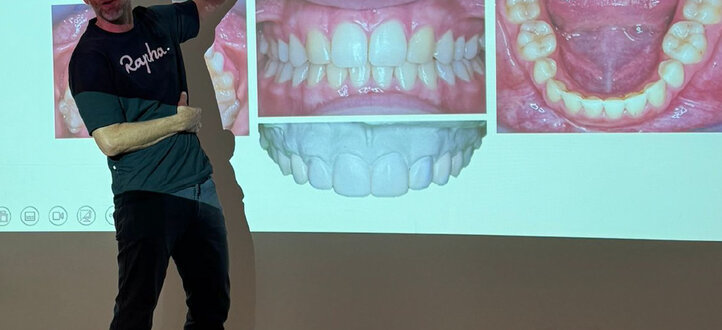
Each tooth has a specific shape and size that contributes to the overall smile.
For example, central incisors are usually dominant, while lateral incisors and canines create the natural rhythm of a smile.
A small mismatch in shape or size can change the perception of a smile, even if the teeth are technically healthy.
Color and texture
Tooth color is just one element.
Natural tooth color varies and can range from light gray to cream shades.
Professional aesthetics does not always mean “the whitest possible teeth,” but rather a color that looks natural and harmonious with skin tone and facial features.
Surface texture also contributes to a natural appearance. Teeth that are too smooth or overly matte can look unnatural.

Harmony of the smile with the face
An aesthetic smile must fit the overall facial appearance.
Tooth length, gum height, and smile width all influence the perception of youthfulness and beauty.
When planning aesthetic treatments, dentists consider all these factors to ensure the smile looks natural, not artificial.
The balance is key
True success lies in balancing beauty and function, where shape, color, and proportions create a smile that is both healthy and attractive.
Aesthetic dental treatment is not just about a temporary visual effect, it is an investment in long-term health and confidence.
Sources:
https://www.sciencedirect.com/topics/medicine-and-dentistry/esthetic-dentistry