
When people talk about food that is bad for teeth, most first think of sweets. However, the issue is not only whether something is sweet, but how a certain food affects enamel, how long it stays on the teeth, and how often we consume it throughout the day.
Some foods damage teeth because they feed bacteria that produce acids, some because they directly soften enamel, and some because they remain trapped between the teeth for a long time and prolong contact with the surface.
That is why the same amount of food does not always have the same effect.
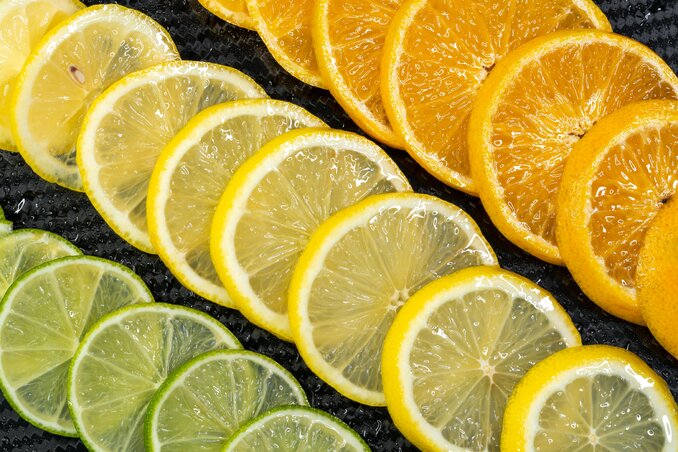
Sugar is not the only problem: acids directly attack enamel
Carbonated drinks, citrus fruits, energy drinks, vinegar, and certain fruit juices can be especially problematic because they lower the pH level in the mouth and directly soften the outer layer of enamel.
This means the issue is not only tooth decay, but also dental erosion: the gradual wearing away of the hardest layer of the tooth.
When these foods or drinks are consumed frequently, enamel does not have enough time to remineralize with the help of saliva. Over time, teeth may become more sensitive, thinner, and visually more transparent at the edges.
Sticky foods prolong the acid attack
Caramel, gummy candies, dried fruit, toffee, and similar sticky foods work through a different mechanism.
Their problem is that they remain in grooves, between the teeth, and around the gums much longer than regular food. This means bacteria have more time to use sugars and produce acids that draw minerals out of the enamel.
So it is not only the composition of food that matters, but how long it stays attached to the tooth. That is why sometimes a smaller amount of sticky food can be more problematic than a regular dessert that is quickly removed from the surface.

“Healthy” choices can also be challenging
Foods often considered healthy, such as dried fruit, lemon, smoothies, or protein bars, can also present challenges for teeth.
Dried fruit is often concentrated in natural sugars and highly sticky, while lemon and citrus drinks have a strong acidic potential.
In other words, food can be excellent for the body while at the same time being more demanding on enamel. That is why oral health does not depend on the “healthy” label, but on how a specific food behaves in the mouth.

How often we eat can matter more than the food itself
One of the most important factors is not only what we eat, but how often we snack during the day.
Every time we consume sugars or starches, bacteria create acids that begin a new attack on enamel. If this happens frequently, teeth do not have enough time to restore lost minerals.
The problem is not one dessert after lunch, but hours of constant nibbling. Sometimes the rhythm of eating is more harmful to teeth than the food itself.
How to protect your teeth without major sacrifices
In the end, the goal is not to completely eliminate all “risky” foods, but to understand how they affect teeth and consume them more wisely. The best advice is to have these foods with a main meal instead of frequent snacking, and after acidic drinks or sweets, rinse the mouth with water and wait about 30 minutes before brushing.
This gives enamel time to recover, while significantly reducing the risk of cavities and erosion. Small changes in habits often make the biggest difference for long-term dental health.
What else can poor eating habits affect?
Today, dental health is viewed less and less in isolation, and more as part of overall health, appearance, and the quality of aging. Eating habits most often associated with cavities, excessive sugar intake, carbonated and acidic drinks, frequent snacking, and highly processed foods, can affect not only enamel and gums, but also inflammatory processes in the body, skin quality, and faster tissue aging.
That is why the modern approach to dentistry involves a broader perspective: prevention, education, and understanding everyday habits that shape our health in the long term.
In line with that, our Dr. Nina Mijajlović attended the International Conference on Aesthetic, Anti-Aging and Regenerative Medicine, where she had the opportunity to follow the latest knowledge and innovations in fields increasingly connected with oral health, tissue regeneration, and modern preventive approaches. Continuous education of our team is part of the standard through which we provide patients with care based on knowledge, experience, and the most advanced principles of medicine.


Sources:
National Institute of Dental and Craniofacial Research
https://www.nidcr.nih.gov/health-info/tooth-decay/more-info/tooth-decay-process
Whitestone Aligners
https://whitestonealigners.com/foods-to-avoid-during-your-clear-aligner/
Hillsdale Orthodontics
https://hillsdaleorthodontics.com/what-is-the-role-of-diet-in-orthodontics-treatment/
RELATED blogs



Newsletter
Follow all the news and special Confident offers.